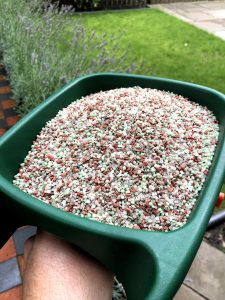
Chafer Grubs Are on the Rise: How Acelepryn Helps Protect Your Lawn
If your lawn has suddenly developed brown patches, spongy areas, or is being torn up by birds and badgers, you’re not alone. This year we’ve seen a significant increase in chafer grub activity, and many homeowners are only realising how serious these pests can be once the damage appears.
In this post, we’ll explain in simple terms:
- What chafer grubs are
- Why you’re seeing more of them this year
- How they damage lawns
- Why wildlife makes the problem far worse
- What Acelepryn is and how it helps
- What you can expect from a professional treatment
Our aim is to help you understand the situation and feel confident about the solution.
What Are Chafer Grubs?
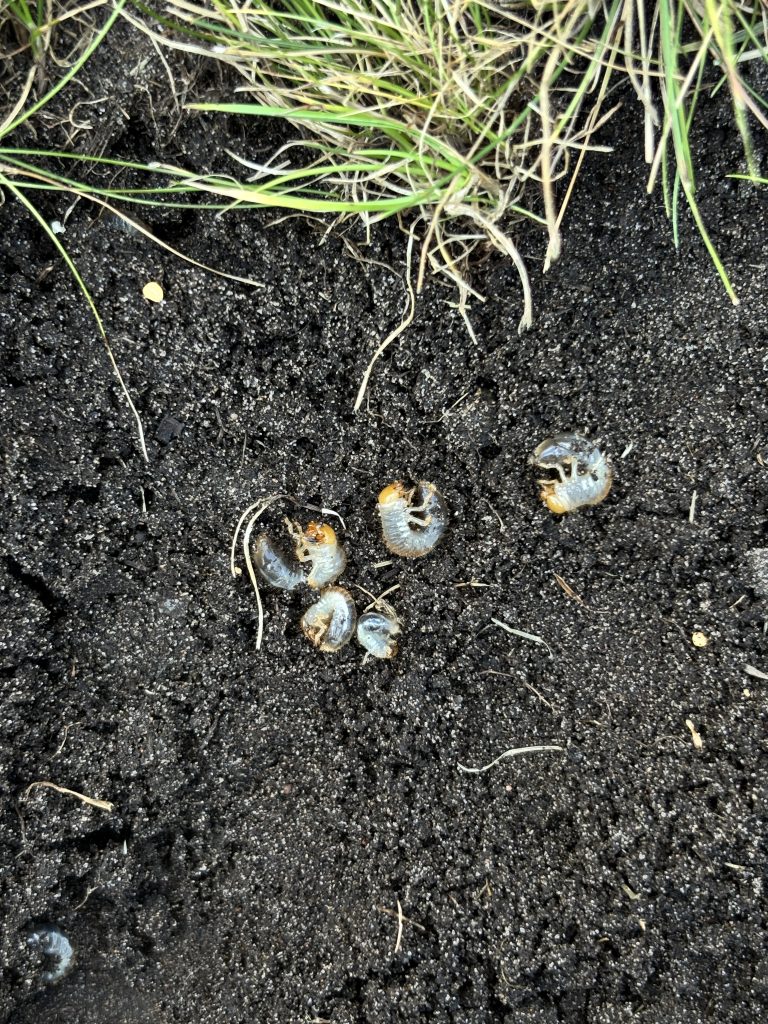
Chafer grubs are the creamy-white, C-shaped larvae of chafer beetles. They live underground and feed on lawn roots. Because all the damage happens below the surface, you often can’t see the problem until it’s well advanced.
Common signs of chafer grubs include:
- Yellowing or thinning grass
- Dry-looking patches even when watered
- Turf that lifts easily like a loose carpet
- Birds, badgers, or foxes digging up the lawn
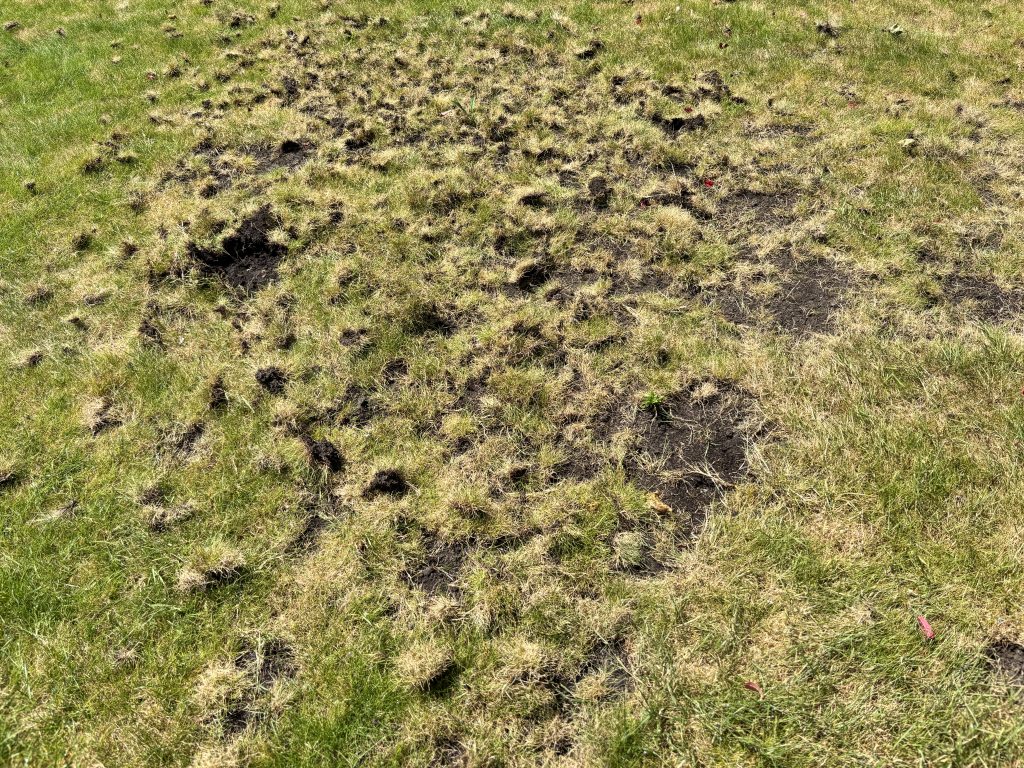
In many cases, the secondary damage from animals causes far more destruction than the grubs themselves.
Why Is Chafer Grub Activity Increasing?
This year has seen an unusually high number of chafer beetles emerging and laying eggs. Several factors contribute:
✔ Warmer, wetter springs
These conditions help eggs hatch and larvae survive.
✔ Milder winters
Cold winters normally reduce grub numbers — recent mild winters have allowed more to overwinter successfully.
✔ Reduced availability of older treatments
Many traditional insecticides are no longer approved, meaning chafer populations have grown.
✔ Changing soil and habitat conditions
Healthy lawns with organic-rich soil can unfortunately be highly attractive to chafer beetles.
As a result, more homeowners than ever are seeing noticeable damage.
Why the Damage Can Be So Severe
Chafer grubs feed on the grass roots, which weakens your lawn. But the most destructive stage happens when wildlife comes looking for food.
Badgers, foxes, crows, rooks, and magpies love chafer grubs.
Once they discover a food source, they can tear up a lawn overnight — often peeling back large sections of turf. Unfortunately, lawns don’t recover from this kind of damage without repair.
What Is Acelepryn?
Acelepryn is a modern, professional-use treatment designed specifically to control pests like chafer grubs and leatherjackets.
It contains a targeted active ingredient that affects the developing larvae without harming the lawn or most beneficial wildlife when used correctly.
Why we use Acelepryn:
- ✔ Environmentally responsible compared to older insecticides
- ✔ Long-lasting protection during the grubs’ main feeding period
- ✔ Highly effective when applied at the right time
- ✔ Safe for people, pets, and lawns once dry
- ✔ Approved for professional use on lawns, sport turf, and amenity areas
Because of its safety profile and effectiveness, Acelepryn has quickly become the leading professional solution for these pests.
When Should Acelepryn Be Applied?
Timing is crucial.
Acelepryn works best when used before the grubs reach their later, tougher life stages — ideally when they are newly hatched and most vulnerable.
This timing can vary each year depending on:
- Soil temperature
- Weather conditions
- Insect flight periods
As professionals, we monitor these factors and apply at the optimal point in the pest’s life cycle to give the best possible results.
What to Expect After Treatment
Acelepryn does not produce instant, overnight results — it’s designed for steady, long-lasting control. Here’s what customers can expect:
✔ The lawn won’t look better immediately
Existing damage remains until the grass repairs naturally or is overseeded.
✔ Wildlife activity should reduce
As grub numbers drop, birds and mammals have less reason to tear up the lawn.
✔ The lawn can begin to recover
With the root-feeding stopped, new growth can re-establish.
✔ Follow-up lawn repairs may be recommended
Heavily damaged areas often need overseeding, topdressing, or renovating.
Think of Acelepryn as stopping the cause of the problem — then we work on restoring the lawn.
Preventing Future Outbreaks
Chafer grubs can return year after year if conditions are right. As part of an ongoing lawn-care plan, we may recommend:
- Annual monitoring
- Preventive Acelepryn applications during high-risk years
- Improving root strength with nutrition and aeration
- Maintaining healthy soil structure
- Repair work on weakened areas
Our goal is long-term protection, not just a one-off fix.
If You Think You Have Chafer Grubs… Don’t Wait
Chafer grub damage escalates quickly — especially when wildlife becomes involved. Early action gives you the best chance of saving the lawn and minimising repair costs later.
If you’d like us to inspect your lawn, identify the issue, or schedule treatment, just get in touch. We’re experiencing high demand this year due to the increase in activity, so booking early is recommended.